As the drive to decarbonise buildings accelerates, attention is increasingly turning to refurbishment rather than replacement. Across the UK, clients are looking to upgrade existing heating and cooling systems with lower-carbon technologies such as heat pumps, hybrid systems and advanced controls – without the disruption and cost of a full strip-out.
Modern Methods of Construction
Against this backdrop, prefabricated and packaged plant rooms are gaining traction. Drawing on Modern Methods of Construction (MMC) and Design for Manufacture and Assembly (DfMA), factory-built plant skids and packaged plant rooms offer predictable quality, faster installation and reduced on-site labour – supporting faster and more cost-effective projects.
Factory fabrication for HVAC systems provides multiple benefits: Systematic testing, consistent workmanship and digital integration that can be dealt with before equipment reaches a site.
For refurbishment projects in particular, the appeal is obvious. In theory, new plant can arrive as a near ‘plug-and-play’ solution, manoeuvred into position, then connected and commissioned. This means the equipment can be operational in a fraction of the time required for traditional on-site assembly.
Quality & sustainability
A good example of how prefabricated HVAC and packaged plant rooms are being applied in refurbishments, particularly with carbon reduction as a driver, is across the NHS estate. The health service has a Modern Methods of Construction strategy, which notes that these techniques “aim to improve efficiency, quality, and sustainability in construction.”
However, as with all refurbishment projects that include HVAC systems, a critical question to address is what is the new equipment being connected to?
New pre-packaged plant may be pristine, but existing pipework may be anything but. This is where water treatment becomes a vital part of refurbishment.
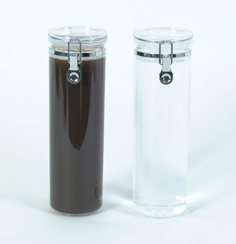
Years of operation can leave existing systems contaminated and fouled with corrosion bi-products, sludges, scale and microbiological issues. These contaminants reduce heat transfer, restrict flow, increase pump energy consumption and accelerate wear in critical components. More importantly, they pose a direct threat to new, high-efficiency equipment.
Most modern low-carbon and high-efficiency systems have features which make them vulnerable to poor water quality. Plate heat exchangers, variable speed pumps and compact hydraulic circuits can become compromised if poor quality water is introduced to new plant. Far from being plug-and-play, building managers may be looking at plug-and-problems.
Automation is key
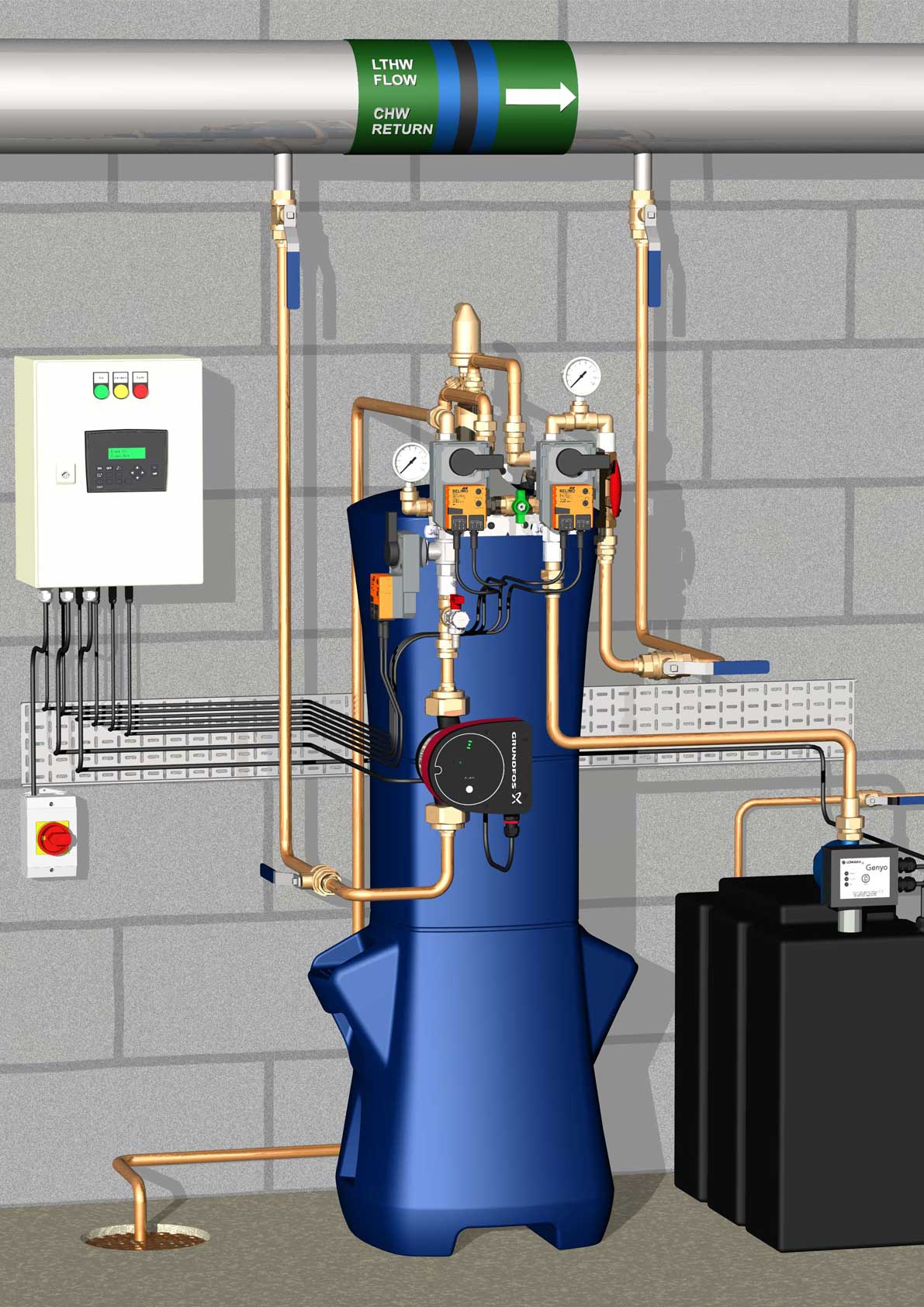
Enwa’s EnwaMatic side stream filtration system is designed to support precisely this scenario. Once an EnwaMatic unit is installed and commissioned by our experts, it starts work immediately, treating and filtering the system water.
For projects aiming for decarbonisation through the application of modular or packaged plant rooms with low-carbon HVAC technologies, this preliminary stage is not an optional extra. It is a prerequisite for protecting investment made in new technology.
By providing automated, accurately controlled filtration, EnwaMatic removes suspended solids and other contaminants from existing systems before and during the integration of new plant. The automated backflushing ensures continued performance, with scheduling tailored to the system’s needs.
In effect, combined water treatment and filtration becomes the enabler of true ‘plug and play’ refurbishment. It helps ensure that factory-tested performance is not compromised by legacy system conditions. It protects warranties, supports commissioning and maximises long-term efficiency.
The shift towards prefabricated plant is part of a wider transformation in the built environment. Public sector frameworks, including the NHS’s structured approach to MMC and pre-manufactured value, demonstrate how factory-built solutions can support net zero ambitions while improving quality and programme certainty.
However, decarbonisation is not achieved simply by replacing one heat source with another. It requires whole-system thinking. That includes the condition of pipework, the cleanliness of system water and the long-term maintainability of the installation.
As more projects adopt modular plant rooms and off-site manufactured solutions, water quality should be considered at the earliest design stage – not as a reactive measure once performance issues arise.
For consultants, contractors and building owners planning refurbishment projects, the question is not just how to install new plant quickly, but how to ensure it performs as intended from day one. Water treatment is central to that objective.
Enwa is a Silver Sponsor at the CIBSE Decarbonisation Conference (29th April, London). The event focuses on reducing the carbon footprint of the built environment, including low‑carbon heating, innovative and resilient cooling solutions. If you’d like to find out more about the EnwaMatic approach to water treatment, come and chat to our team to learn more about our unique technology.