Across the UK, office buildings are undergoing a wave of transformation. Faced with rising regulatory standards, new sustainability targets and evolving tenant expectations, many owners are refurbishing to retain asset value in a competitive market.
The office market is under pressure to perform, so refurbishment is no longer a nice-to-have; it is an urgent response to market and regulatory realities.
One driver for this is the governments proposed changes to MEES (Minimum Energy Efficiency Standards). There has been no announcement yet, but early indications are that the minimum required EPC could rise from and E to C and then to a B in the next five years (or less). One industry report says that 80% of London’s office space has an EPC rating below B.
But the refurbishment trend is not simply about legislation. Office tenants are actively seeking out buildings with strong environmental credentials, such as BREEAM or NABERS ratings. And they are prepared to pay a premium for them. However, office buildings that fail to meet these standards are increasingly suffering from reduced rental income as well as falling sales value.
So, as the property sector looks for ways to bring its older stock to modern standards on energy use (and carbon emissions), refurbishment is a pragmatic route. It avoids the embodied carbon burden of demolition and rebuild, while making better use of existing structures.
As a significant energy user in office buildings, HVAC systems are often on the frontline for updates. From replacing boilers with heat pumps to switching out ageing VRF systems or chillers for lower-Global Warming Potential options, the emphasis is on maximising efficiency and minimising emissions.
Contaminants
Central to that goal, though often overlooked, is the condition of the water flowing through the HVAC systems. Water treatment is essential for energy efficient operation and it is particularly important when new equipment meets existing pipework.
With one eye on embodied carbon, refurbishment projects are increasingly looking to retain existing pipes wherever possible. But this mix of old and new can be the cause of major issues.
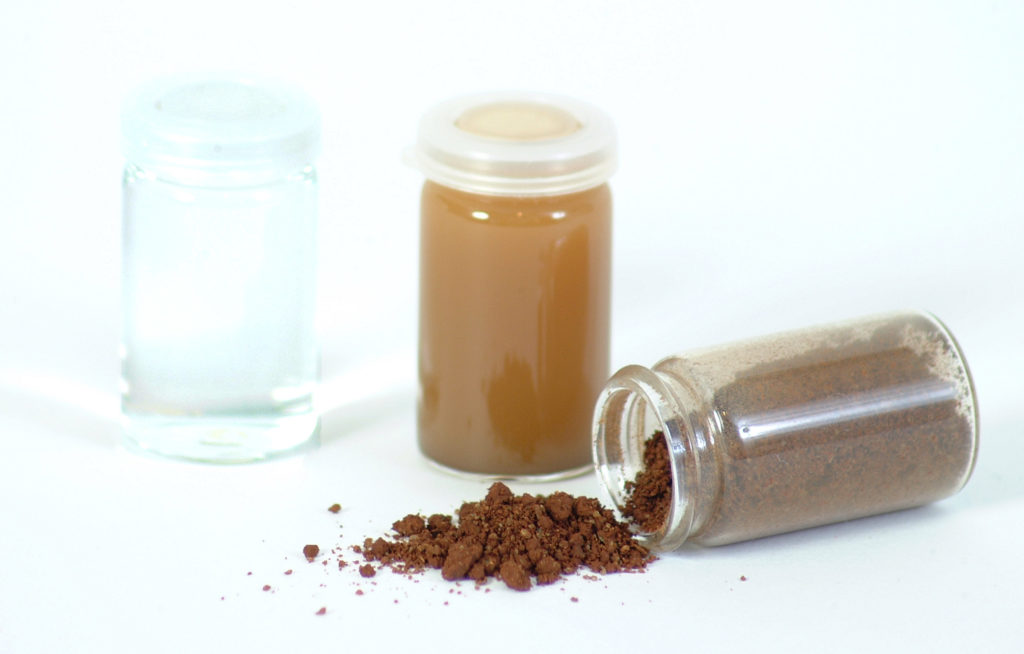
Historical debris and residues within the older parts of the system can be dislodged and mobilised during these works and enter the circulating system, contaminating the bulk flow and eventually reaching the high-efficiency new components.
This can result in restricted flows, poorer heat transfer, reductions in efficiency and premature wear and tear on the new equipment. Pumps can be forced to work harder to meet demand as a short term solution but this drives up energy consumption. This is particularly problematic with newer technologies like low-temperature heat pumps and high-efficiency chillers, which often have narrower waterways. Even small amounts of suspended solids can impair their performance or trigger faults.
EnwaMatic
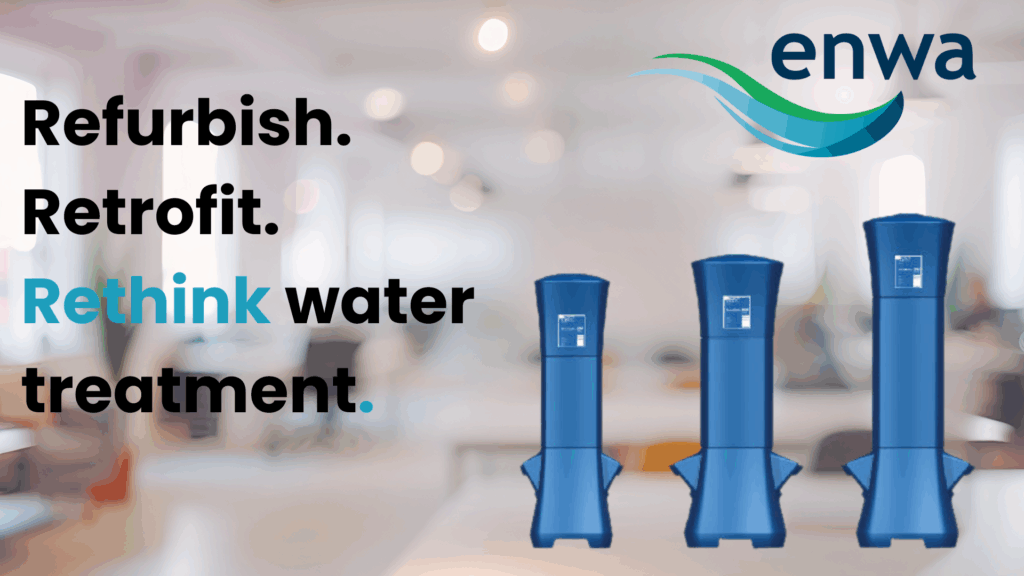
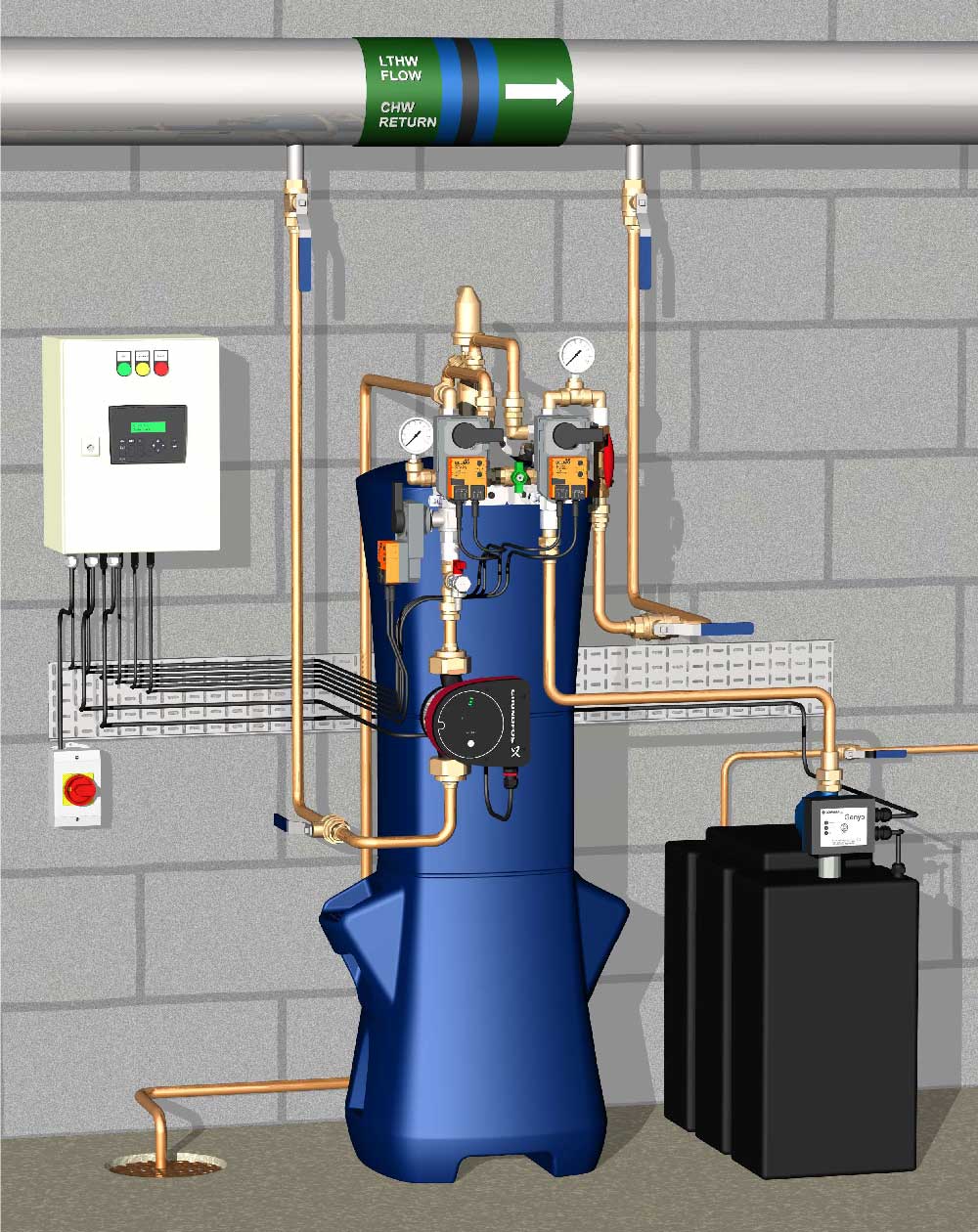
Enwa’s side stream filtration can make a significant difference to the success of HVAC retrofitting. As soon, as an EnwaMatic unit is installed and commissioned, it begins to filter the water in the system. Turning over the equivalent of the system volume every twenty-four hours, constantly ‘polishing’ the bulk flow, removing the suspended solids and delivering water filtered to < 10 microns back to the system.
Automated backflushing (usually monthly, but this can be adjusted to system requirements and levels of contamination) ensures continuous performance. The whole system works autonomously without interventions required by onsite engineers and FM teams.
Filtration is only part of the story. EnwaMatic also provides water treatment through control of key water parameters using a calcite/dolomite reaction media. The units operate without conventional chemical inhibitors, there is no need to worry about manual topping up, handling or storage of chemicals on site. By controlling key water parameters systems are protected from corrosion, scaling and fouling. The conditioned water also provides a harsh environment for bacteria and the units are complimentary to an anti-microbiological strategy.
Protection & prevention
Enwa’s philosophy is that water treatment is a preventative rather than reactive strategy. By dealing with water quality issues before they develop into costly problems protects HVAC system efficiency. Ensuring that refurbished buildings deliver the energy and carbon savings they were designed for.
In today’s office market, performance matters. From energy bills to carbon disclosures, from plant maintenance to occupant comfort, building owners are under pressure to deliver across multiple fronts. As part of that, HVAC systems must operate at peak efficiency, reliably and consistently.
By keeping internal surfaces clean and free of deposits, systems can achieve better heat transfer, smoother operation, and lower running costs. They are also less likely to suffer faults or unplanned maintenance which is a significant benefit in multi-tenanted buildings where comfort and continuity matter.
In a market where Grade A space is commanding premium rents, refurbishment is a smart way to reposition tired assets and attract high-value tenants. But any investment in new HVAC equipment needs to be protected. Without clean water, even the best-performing systems will struggle to meet design expectations.
That’s why water treatment should be a core part of every office refurbishment plan. It’s a low-cost intervention with high-value returns: improved performance, longer plant life, reduced risk, and better outcomes for the people who use the building.
With EnwaMatic side stream filtration and water treatment, building owners can support their carbon goals, futureproof their investments, and stay competitive in a challenging market.
If you’d like to find out more about our approach to water treatment, we can offer CPD-approved presentations on the principles behind it and talk to you about how Enwa’s approach can benefit you or your clients’ buildings.