The UK is set for a significant shift in how we heat buildings. With heat networks expected to supply 20% of homes by 2050, these systems are becoming a central pillar of national decarbonisation plans.
Low carbon heat efficiently at scale
In a recent letter to government the three key UK heat network associations (Heat Networks Industry Council, UK District Energy Association and the Association for Decentralised Energy) pointed out that: “This sector holds the potential to lower the cost of the energy transition for customers, to unlock £100b of private sector investment into new infrastructure, to transition the fossil-fuel related workforce to green jobs, and for this Government to deliver on its Missions.”
Heat networks have the potential to deliver low-carbon heat efficiently at scale, but there’s one crucial factor that can make or break their performance: water quality.
Ofgem regulation
Heat networks (also known as district or communal heating) distribute heat from a central source through insulated pipes to homes, offices or public buildings. They are fuel-agnostic, so they can use energy from waste heat, CHP, heat pumps or other sources, and are well suited to urban areas, large developments, and dense housing.
However, like any closed-loop HVAC system, heat networks are vulnerable to problems caused by poor water quality. Corrosion, sludge, scale and debris can accumulate over time and significantly reduce performance.
These issues can restrict flow, cause premature wear to pumps and heat exchangers, and lead to higher energy consumption or failures. This is a critical issue because, from January 2026, heat networks in Great Britain will fall under Ofgem regulation for the first time.
Ofgem’s oversight will ensure that networks deliver reliable, affordable heat to householders and that includes avoiding common issues such as poor system performance or frequent maintenance problems.
So, as heat networks move toward this newly-regulated future, water treatment must become a core part of heat network design, installation and operation. Enwa’s EnwaMatic side stream filtration technology can provide network operators with a reliable and preventative way to ensure robust system performance over the long term.
CP1
The Code of Practice for heat networks (CP1 2020), from the Chartered Institution of Building Services Engineers (CIBSE) underpins much of the current industry best practice and will be closely aligned with the new Ofgem-led standards from 2026.
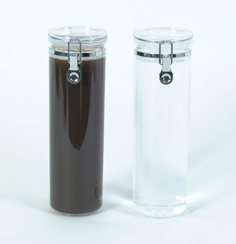
CP1 stresses water quality as a critical factor for heat network operation. It highlights the importance of removing suspended solids, minimising corrosion, and maintaining low return temperatures to ensure system capacity and energy efficiency. These objectives rely on good practice with water treatment.
The new minimum standards coming into force from next year will require close attention to water quality. They include:
- Demonstrating compliance with standards set out in the Heat Network Technical Assurance Scheme (HNTAS)
- Certifying that systems are operating efficiently and reliably
- Ensuring consumers receive adequate heating, and can escalate complaints where performance falls short
As a result, standards of heat network operation, not just installation, will be under greater scrutiny. And that puts water quality firmly in the spotlight.
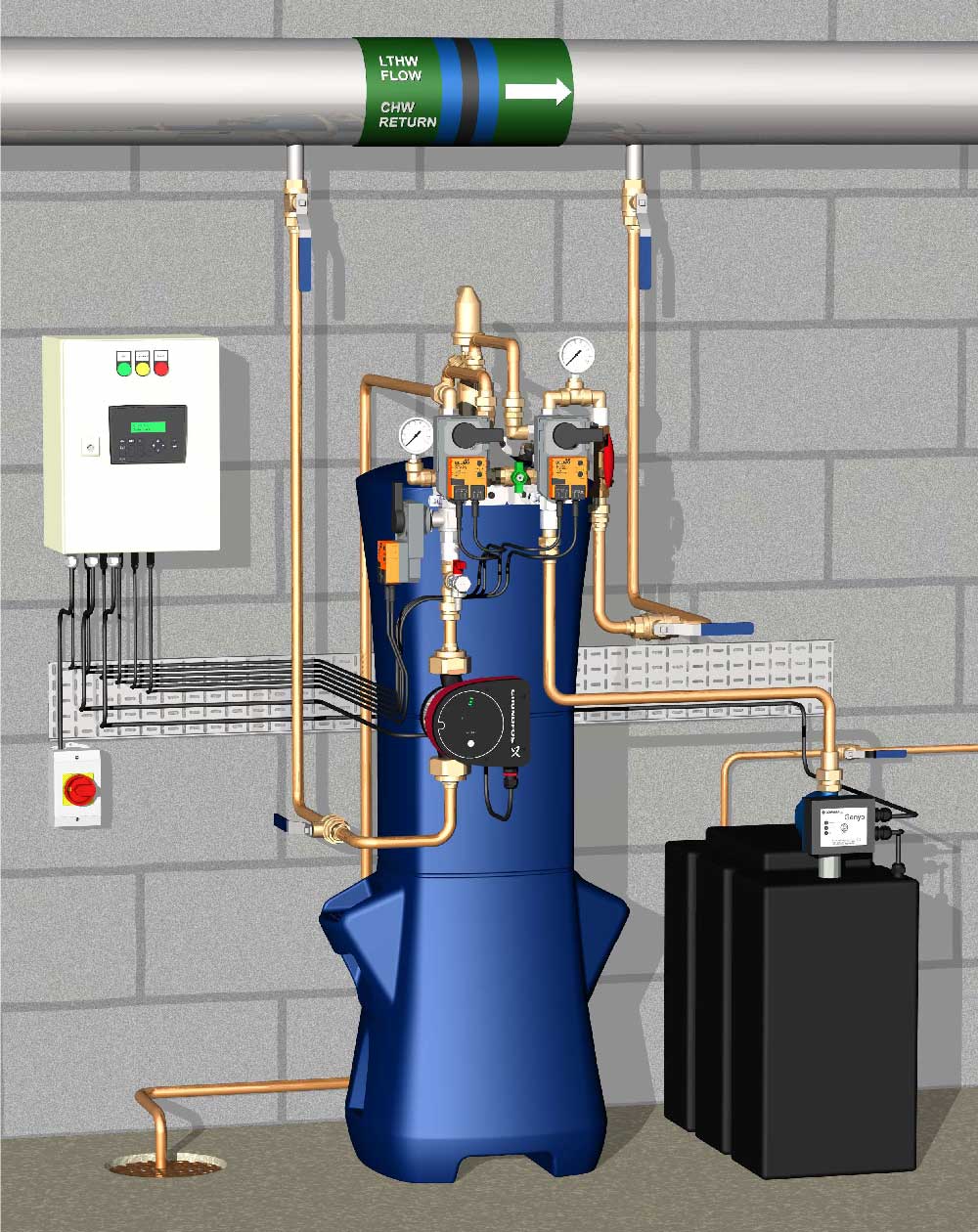
Enwa’s side stream filtration system is designed to protect and optimise closed-loop heating and cooling networks. It provides a robust and automated approach to:
- Removing suspended solids: down to less than 10 microns, protecting sensitive components such as plate heat exchangers and heat interface units.
- Inhibiting corrosion: by regulating key water parameters reducing the build-up of corrosion by-products.
- Maintaining flow and efficiency: ensuring water retains good thermal transport properties and keeps pumps and plant running at optimal load.
- Reducing maintenance demands: with a fully automated backwash process that avoids manual filter changes, cleaning or disposal.
- Supporting long-term performance: particularly important in large or complex heat networks where access to all parts of the system may be limited.
As CIBSE CP1 notes, side stream filtration is not just recommended, it is considered best practice. It supports the technical goals of the upcoming regulations and directly improves heat delivery to end users. In other words, it helps meet the new regulatory focus on consumer outcomes.
With government preparing to roll out Heat Network Zones, more buildings will be expected (or required ) to connect to local heat systems. This is where protection of water quality on both the primary and secondary sides of these interfaces is critical. As the reliability and efficiency of these systems will come under increasing scrutiny, not only from Ofgem and local authorities but also from the residents and the tenants they serve.
For network designers, operators and maintenance teams, Enwa’s EnwaMatic side stream filtration provides confidence that system performance won’t be undermined by water-side issues. It also supports compliance with new standards without introducing unnecessary complexity or chemicals into the process – something particularly valuable in residential environments.
As heat networks scale up to become a major part of the UK’s energy future, every element of system performance will matter. Water treatment isn’t a box-ticking exercise – it’s the foundation for energy efficiency and protected heat transfer systems.
With regulation coming fast, now is the time to invest in preventative strategies. Enwa’s EnwaMatic side stream filtration is already helping clients across the UK deliver cleaner, more efficient, and more resilient heating systems. For the growing number of heat networks across the country, it’s a smart, scalable solution for the challenges ahead.
If you’d like to find out more about our approach to water treatment, we can offer CPD-approved presentations on the principles behind it and talk to you about how Enwa’s approach can benefit you or your clients’ buildings.