Heat networks are expected to play an increasingly important role in the UK’s transition to low-carbon heating. As part of this shift, the sector is entering a new regulatory phase.
From January 2026, Ofgem became the official regulator for heat networks, and all existing heat network operators have until January 2027 to register their heat networks with Ofgem. The move will provide around 500,000 heat network customers greater protection on issues such as fair pricing and service performance.
To support this policy, a new Heat Network Technical Assurance Scheme (HNTAS)1 is being developed to provide the exact performance requirements that heat network operators must achieve and maintain. The proposed Heat Network Technical Standards which will provide the bedrock for the HNTAS is currently in the consultation phase2 (until 15th April 2026), with industry feeding into the proposal.
For the heat network industry, and its customers, the introduction of technical standards represents an important step forward in establishing consistent design, installation and operational practices.
Among the key technical priorities within the proposed standards is the management of system water quality. This is a critical issue for any hydronic system, but particularly so for heat networks, where large volumes of water circulate through extensive pipework and multiple components over long operational lifetimes.
Why water quality matters in heat networks
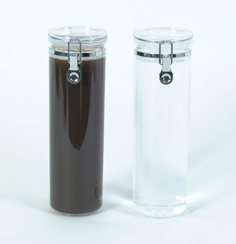
Poor water quality can have a significant impact on the performance and longevity of heating systems. Corrosion, scale formation and microbiological growth can all generate particulate debris within the system. These suspended solids circulate through pipework and equipment, leading to internal fouling that reduces heat transfer efficiency and can damage sensitive components.
Even small amounts of contamination can have measurable consequences. For example, thin layers of corrosion products or scale can significantly reduce heat transfer performance, increasing energy consumption and reducing the effective capacity of the system. As modern heating equipment becomes more efficient, with tighter tolerances and more sophisticated control valves, sensitivity to debris and poor water conditions can increase.
Maintaining good water quality is therefore essential to protect system efficiency, support maintenance and ensure the long-term reliability of the network.
Managing water quality in complex systems
In principle, water treatment is well understood within the building services sector. However, heat networks present particular operational challenges.
Heat networks involve large volumes of water, long pipe runs and multiple stakeholders responsible for different parts of the system lifecycle, from design and installation through to operation and maintenance. Ensuring that water quality remains within acceptable limits throughout this lifecycle requires both effective design and robust operational strategies.
It’s therefore important that any future regulations around heat network water treatment allow engineers to select and apply the best solutions for their project; we must be able to rely on the judgement of those who design the system to identify the most appropriate solution.
For example, historically, many water treatment approaches have relied on regular manual monitoring, chemical dosing or periodic maintenance interventions. While these methods can be effective, they also depend on consistent oversight and intervention from maintenance teams.
In complex building portfolios or large district energy systems, this reliance on manual processes can introduce risk over time if checks and interventions are missed or delayed.
The role of filtration
Filtration plays a central role in maintaining water quality within hydronic systems. Inline strainers are commonly used to capture larger debris and protect pumps, heat exchangers and valves. These devices are essential for local protection of key components.
However, modern systems often generate or accumulate much finer particulate debris over time. Corrosion products such as magnetite, for example, can circulate throughout the system and gradually build up within equipment.
Traditional filtration approaches, including passive inline devices or cyclonic separators, often rely on sedimentation or magnetic capture. While these technologies can be effective for certain particle types, they frequently require manual purging, cleaning or replacement of components such as filter bags, cartridges or magnets.
This not only adds to site waste issues but also introduces additional manual maintenance requirements and can quickly create operational problems if regular servicing is not carried out. For facilities teams managing large or distributed heating systems, reducing the need for manual intervention can be an important factor in maintaining consistent water quality over time.
Automation and modern water treatment strategies
As building systems become more sophisticated and digitally monitored, there is growing interest in water treatment technologies that support automated operation and continuous protection.
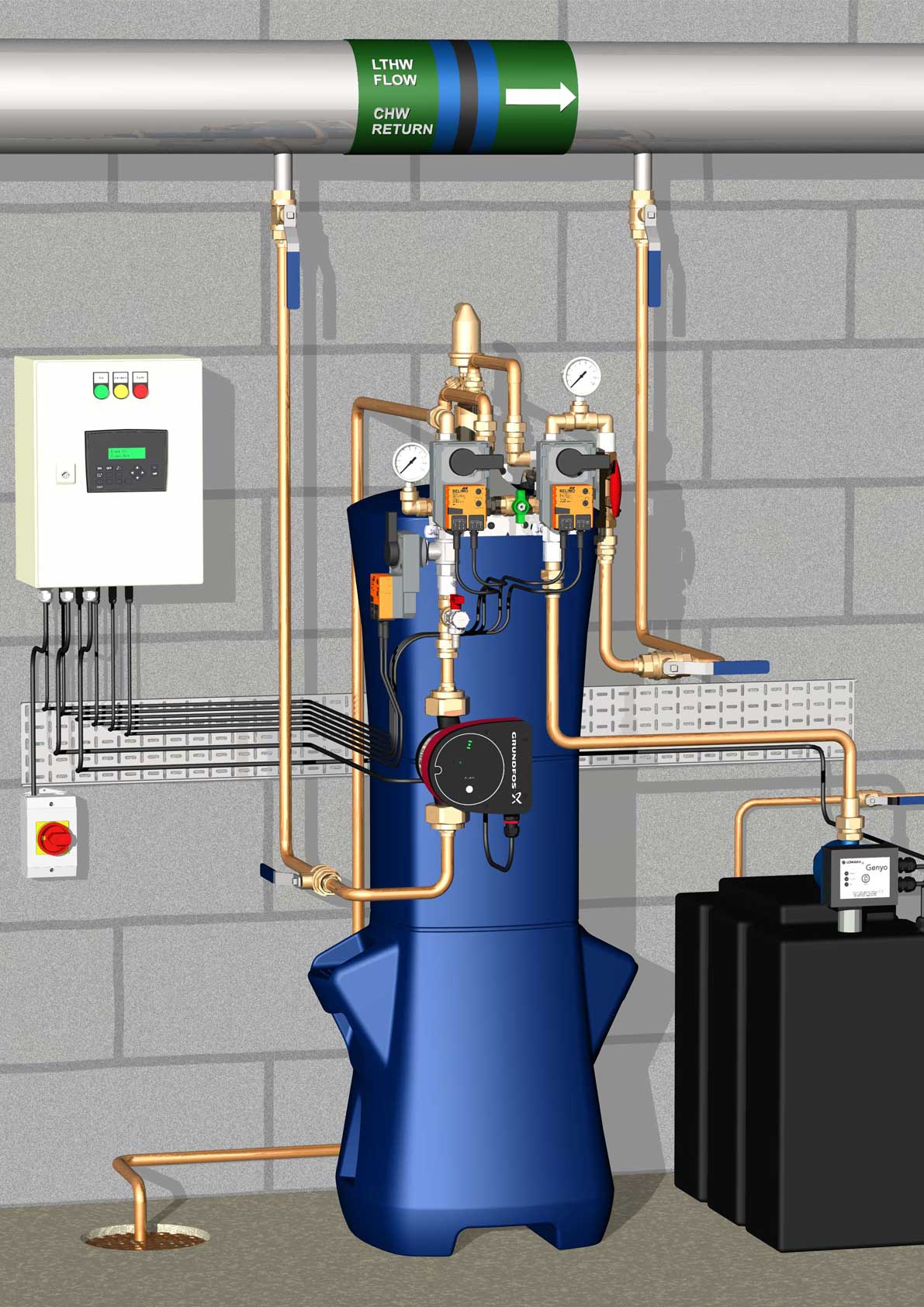
Side stream filtration, such as that provided by Enwa’s EnwaMatic technology, provides one such approach. Rather than processing the entire flow at one time, side stream systems continuously treat a proportion of the circulating water, typically turning over the system volume once or twice every 24 hours. This allows fine filtration of suspended solids while avoiding disruption to the main system flow.
This approach can capture a wide range of particles, including very fine debris, regardless of density or magnetic properties. EnwaMatic’s automated backwash cycles also allow the filtration media to be cleaned and reused, reducing the need for manual maintenance while minimising waste associated with disposable filter cartridges or bags.
Automation also helps ensure that water treatment continues to operate effectively with minimal input from maintenance teams who are managing multiple priorities across complex facilities.
Supporting innovation through performance-based standards
The introduction of technical standards for heat networks represents an important step in supporting the long-term development of the sector. Clear guidance on design and operation can help ensure that systems deliver the reliability, efficiency and consumer outcomes expected from regulated infrastructure.
At the same time, it is important that standards allow engineers and system designers to apply a range of proven technologies to achieve the required water quality outcomes.
A performance-based approach, focusing on the water quality targets that systems must maintain (which are included in the proposed Heat Network Technical Standards), will allow the industry to continue to benefit from innovation in the water treatment sector.
As heat networks grow across towns and cities, ensuring long-term performance will depend not only on good design, but on practical, resilient operational strategies that support reliable system operation throughout the life of the network.
Effective water treatment will therefore remain a fundamental part of delivering efficient, dependable heat networks for the future.
Enwa is a Silver Sponsor at the CIBSE Decarbonisation Conference3 (29th April, London). The event focuses on reducing the carbon footprint of the built environment, including low‑carbon heating, innovative and resilient cooling solutions. If you’d like to find out more about the EnwaMatic approach to water treatment, come and chat to our team to learn more about our unique technology.